
Orthodontics and crooked teeth – what are the causes?
Crooked teeth in children and adults are not uncommon today. Practice has shown that with the progress and evolution of man, we have more and more crooked teeth and irregular bites. And thatş the moment when orthodontics comes.
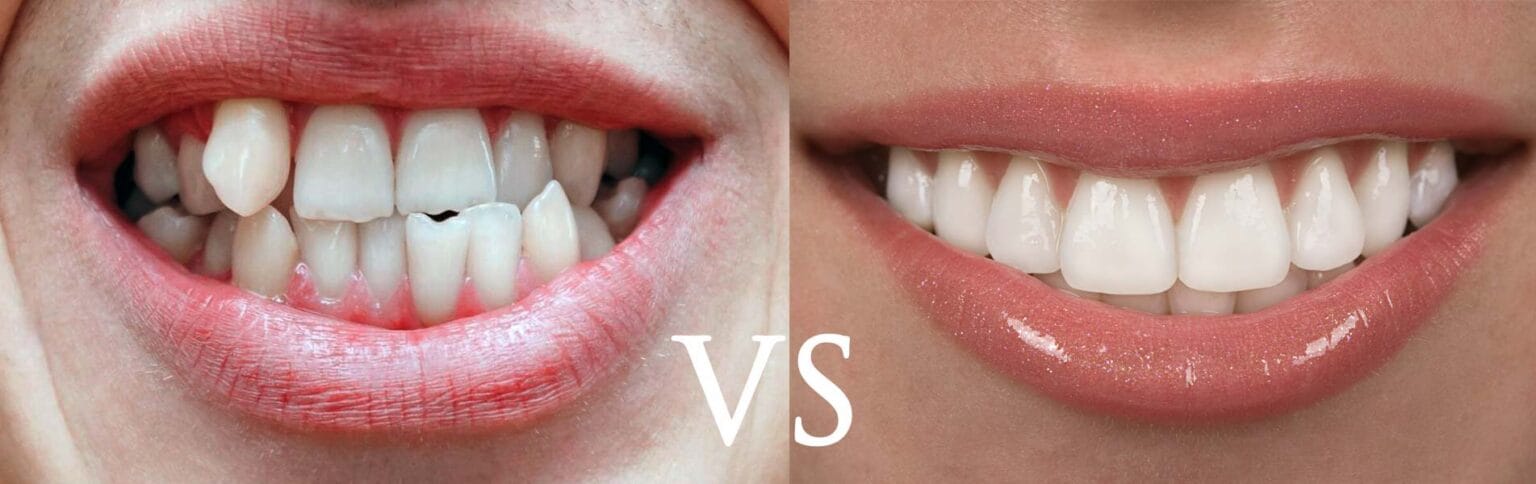
While this may not seem to make sense check how it is!
There are several causes of this irregularity and they differ in terms of whether the teeth are crooked in children or in adults.
But no worries, todays orthodontics deals with both.
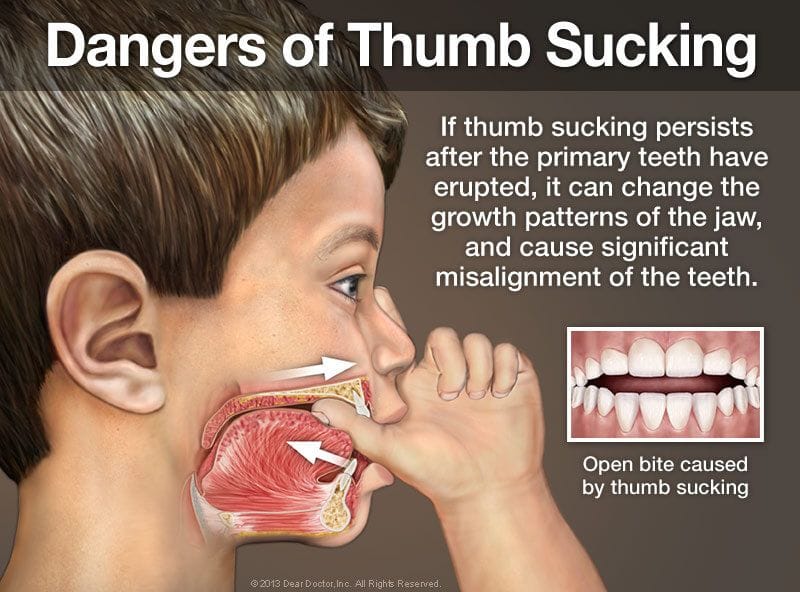
Crooked teeth in children usually occur as a genetic predisposition or due to bad habits such as prolonged sucking of the thumb. You can recognize a child who sucks the thumb by moved and bent upper front teeth, open bite, impossibility of normal closing of the lips…
Is early lost of milky teeth problem in orthodontics?
A common cause of crooked teeth in children is the premature loss of a milky tooth, especially during the period of tooth change. The adjacent permanent tooth moves into the space of the prematurely extracted milky tooth and in that way “blocks” the eruption of the permanent tooth of the deputy.
What else cause problem in orthodontics?
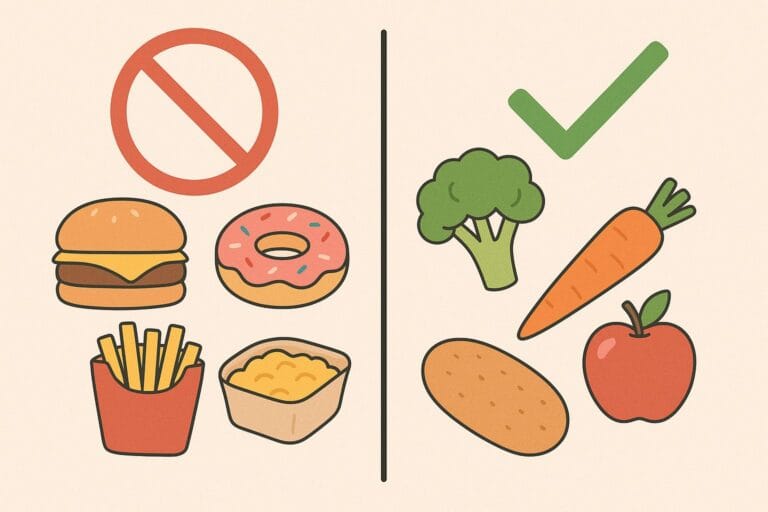
You would never think of it that way, but one of the biggest problem is soft food. Soft and processed food doesn`t make us to chew so we don`t activate our chewing muscles. And if we want our jaw bones to develop properly we must chew and activate our muscles with hard and raw food (apples, carrots, meat)…. With undeveloped muscles it is very easy to end up with irregular bite.
How can orthodontics help?
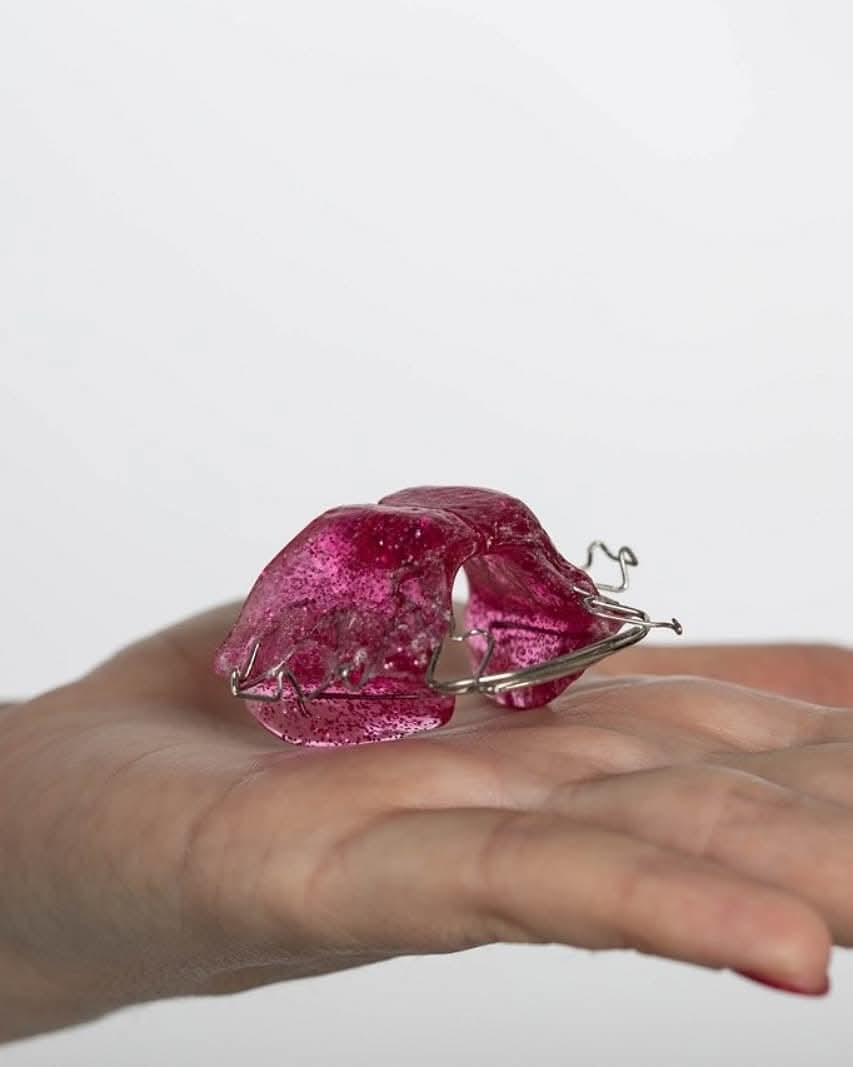
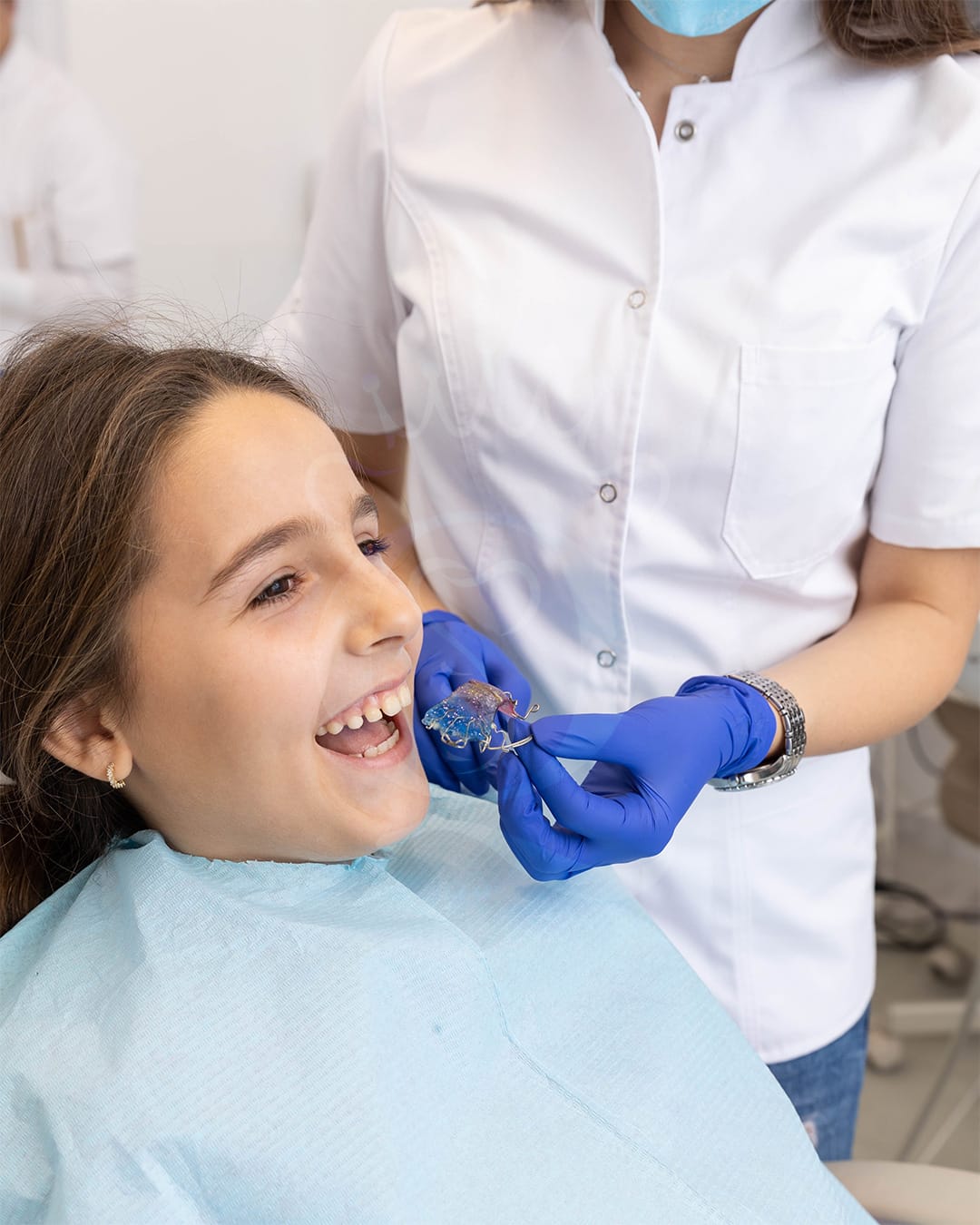
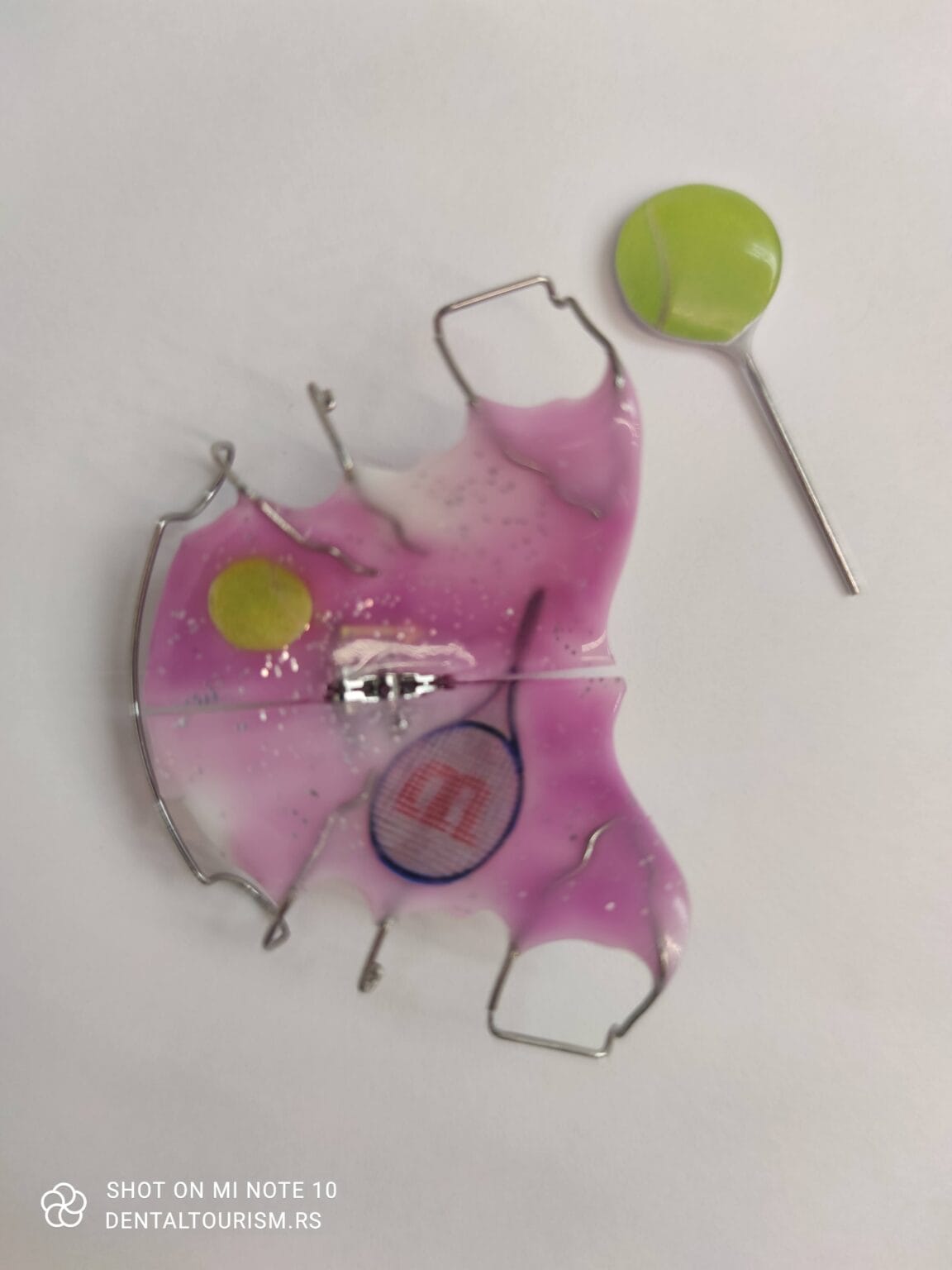
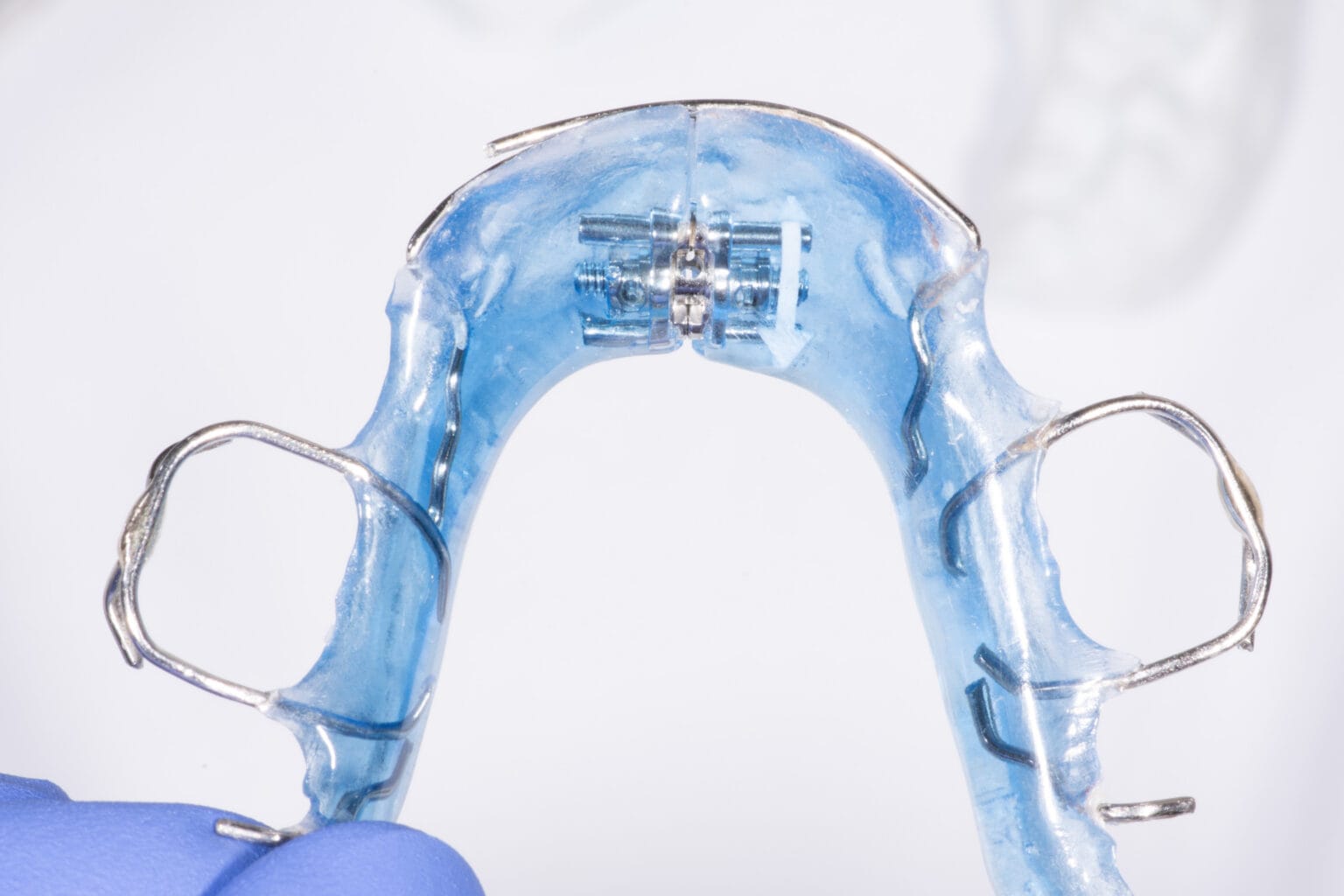
Myofunctional habits (the function of the child’s muscles and the position of the tongue) can also cause improper bite. In order for the face, jaws and teeth to develop properly, it is necessary to have a balance in the function of the surrounding neck muscles, cheeks, lips and tongue. Disturbance of balance leads to an incorrect bite which of course can be corrected.In our Queen clinic you will receive detailed instructions and help in correcting an incorrect bite.And you can see how mobile denture that corrects the work of the muscles looks like.
Crooked teeth in children, can also occur when the size of the teeth does not match the size of the jaw, i.e. there is not enough space in the jaw to accommodate all the teeth. Modern man has a much smaller jaw compared to our ancestors.
Crooked teeth in adults can persist from childhood. There are also situations when people had the right teeth and the right bite but over time they started to bend and migrate.
Tooth position can change in adults due to inadequate tooth loading, loss of permanent teeth, periodontitis, punch and other traumas.
Orthodontics and incorrect bite
When we say irregular bite, we generally mean the ratio of the upper and lower jaw, although this irregularity has a wide range of variations.
You will certainly not be able to recognize all the irregularities, but it is useful to pay attention to those that are noticeable and because of which you can contact us for timely correction.
Proper bite means that the upper teeth slightly overlap the lower teeth and that the upper lateral teeth touch exactly the intended places in the lower ones.
Improper bite occurs when the lower jaw is pulled back or positioned forward relative to the upper. The upper incisors may be too tilted forward or backward and not overlap properly with the lower ones.
You are probably wondering why this happened to you?
Orthodontics considers it is inherited?
Improper bite is most often inherited. The good news is that it can be successfully corrected, provided that the treatment begins in childhood during the period of growth and development of the jaw bones.
But is it necessary to correct an incorrect bite?
Today, it is fashionable to wear dentures among children and teenagers. Beautiful teeth lead teenagers to correct even the smallest irregularities, which was not the case before.
Of course, if you do not have health consequences and aesthetics are not your primary one – you do not have to correct an incorrect bite.
But an improper bite can often cause health problems.
Orthodontics can give you some warnings
An improper bite can often cause health problems.
– The formation of periodontal pockets and the beginning of periodontitis. Folded teeth are difficult to clean and maintain, especially the interdental spaces around them. In these places, the risk of caries and gum and bone diseases is increased;
– In case of incorrect tooth position, the chewing pressure is not transmitted correctly in the direction of the longitudinal axis of the tooth. The tooth suffers from increased pressure, abrasion or loosening of the tooth is present, dying of the dental nerve, recession of the bones and gums around the tooth is possible;
– Improper bite can cause pain in the lower jaw or occasional headaches;
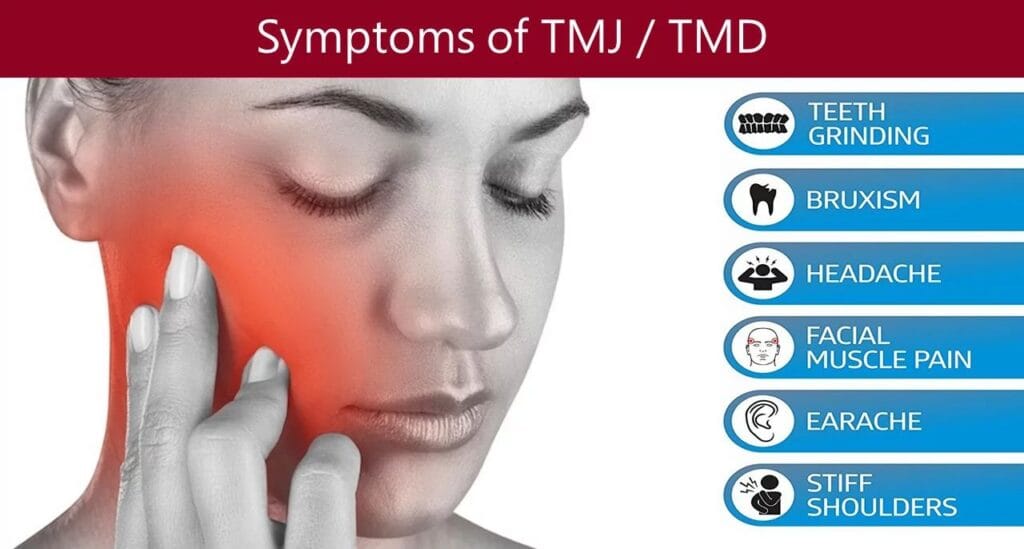
– Poor ratio of front teeth affects the speech and pronunciation of individual voices;
– Improper care can impair the aesthetics of the face, which in young people, especially during puberty, significantly affects the level of self-confidence.
What orthodontics (the science) suggest?
We respect the science – that improper bite and crooked teeth in children should always be corrected. The treatment started at that age gives excellent and relatively fast results.
Crooked teeth in adults require a deeper analysis and a good assessment of the real situation and expectations.
In the Queen clinic, we will approach to your problem individually, look at all aspects of therapy and make a decision on further treatment together with you. Have faith in our top orthodontics experts.
How can I correct crooked teeth?
There are several ways to correct teeth and bites, and which one we will use with you depends on the type of irregularity and your age.
In childhood, mobile devices (children’s dentures) have an advantage, while after changing teeth and completing the growth of the jaws, we use braces and invisible foils (Invisalign).
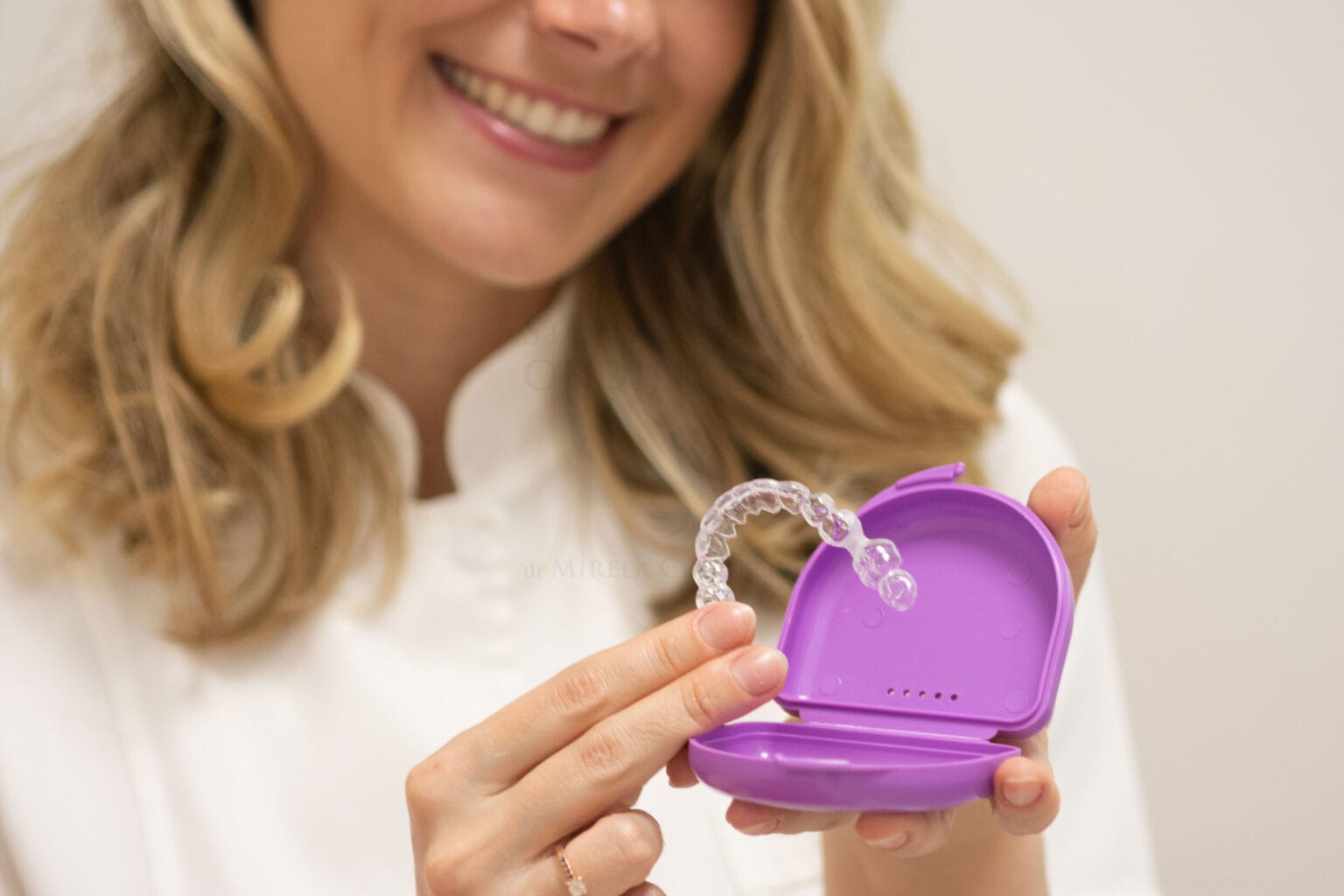
In some situations, along with the braces, surgical corrections of the jaws are necessary.
Orthodontics – a mobile appliance
A mobile orthodontic appliance is often called a mobile prosthesis for children.
It is a movable brace and the patient can remove it from the mouth by himself. It is worn by children during the period of jaws growth.
It serves to direct the growth of the jaw bones and move the teeth to their correct position. In order to get and maintain the proper growth and development of the jaws and teeth, the prosthesis itself is not enough for children – it is necessary to exercise the surrounding muscles, i.e. to establish proper chewing and swallowing.
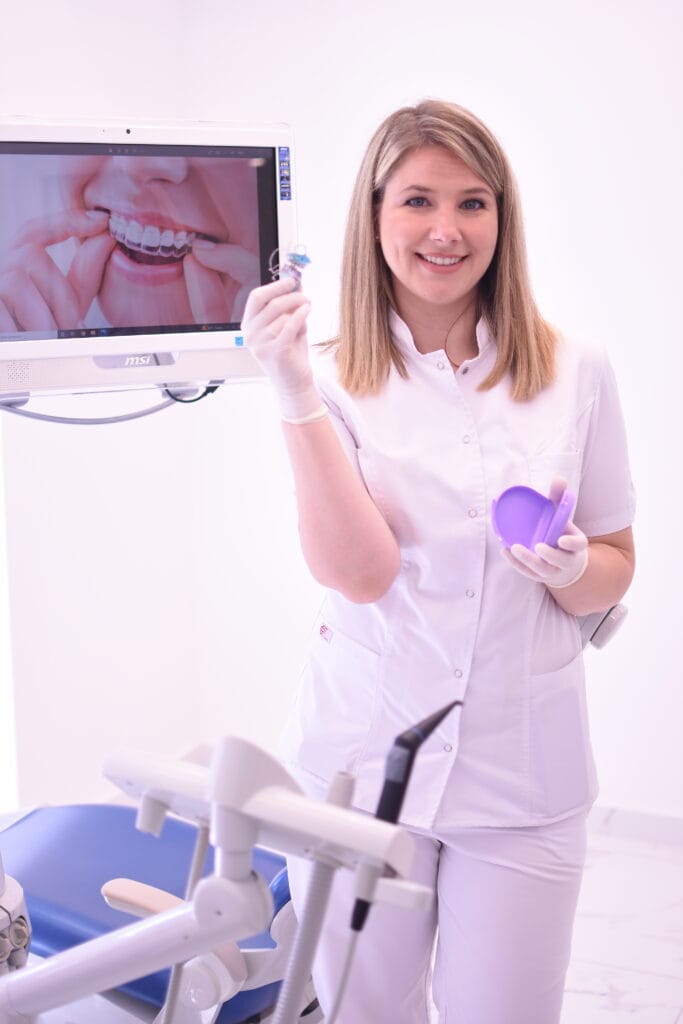
Contact us with confidence. Our specialist dr Milica will show you and your child all the necessary exercises. If the child is younger and willing to perform them every day, there is a great chance that he or she will not need orthodontic corrections later.
Dentures for children – what orthodontics say?
Dentures for children are worn in all situations where there is an irregularity of the teeth or jaw:
- Folded teeth, lack of space for teeth (discomfort)
- Protrusion of the upper teeth (teeth too bent or moved forward)
- Improper bite of upper and lower teeth
- Crooked teeth
- Noticeable disproportion in the development of the upper and lower jaw
And you probably wonder how you are supposed to know that your child needs a prosthesis for children?
As a parent, without professional dental knowledge, you will hardly be able to recognize all the irregularities in your child. That is why it is important to bring the child to regular check-ups, because it is often the dentist who will recognize the potential problem.
Yet, there are some symptoms that can lead you to seek professional dental help:
- If you notice that your child’s teeth are crooked. Crooked teeth can be a normal during the eruption of permanent teeth before they have taken their definite position.
- Folded teeth almost certainly show the need for denture for children or a fixed appliance
- Discomfort and insufficient space for teeth to erupt – noticeable at the time of tooth change. You will notice that the milky teeth are large and that they take up a lot of space for the permanent teeth that need to erupt.
- A permanent tooth is missing at a time when it should have already erupted. The cause may be a lack of space in the jawbone to accommodate the tooth, which is why it remains in the bone. There are other reasons why a permanent tooth is “late” and our orthodontics specialist will determine what it is about and suggest a treatment plan.
- If your child sleeps or spends most of the day with his/her mouth open or breathing, it is very likely that there is a jaw irregularity and that a mobile prosthesis for children is needed.
- Chewing with open mouth and bad chewing habits (which you may not notice) can be a consequence or cause of irregularities.
- Gummy smile in children, elongated shape of the face, the appearance of dark circles around eyes clearly indicate that the upper jaw and the middle third of the face “fall” and that it is necessary to direct the growth of the upper jaw with a prosthesis for children.
If you are not sure you have recognized any of these symptoms, simply visit us.
What can orthodontics do for you?
Let us explain to you why it is important for a child to wear a mobile prosthesis.
The upper and lower jaw, teeth, jaw joints, cervical spine and surrounding muscles form one functionally connected whole. In order for this system to function properly, it is necessary for all links to be synchronized in their work.
When there is an irregularity of the upper and lower jaw, and consequently a bad position of the teeth, it is very likely that the muscles are not working properly either.
The mobile prosthesis for children, together with the exercises for the muscles, directs the growth of the bones and enables the entire system to function properly.
All this can be achieved only in the period of childhood, i.e. puberty, while the growth of the jaw bones is still going on.
After growth is complete, the only way to correct bone disproportions is surgery.
FAQ
Will the dentures affect the appearance of the child’s face or lips?
It will, of course, in a positive way. 😊
The appearance of the face is especially affected by mobile prostheses for children because they directly stimulate the growth of the upper and lower jaw in the desired direction.
Thus, in people who have a concave facial profile, we can achieve a harmonious and beautiful relationship between the middle third of the face, the upper and lower jaw.
The profile will also change significantly in children whose chin, i.e. the entire lower jaw, is pulled back.
According to today’s aesthetics, the most beautiful faces are those who have the so-called anterior growth of the upper jaw followed by corresponding growth of the lower jaw.
Will dentures for children affect a child’s speech?
It certainly will, but only in the beginning. Over time, the child becomes accustomed to speaking clearly with the prosthesis, and when he/she has an important conversation at school – he/she can temporarily take it out of the mouth.
What are the experiences of children who wear mobile dentures for children?
Experiences are very different and depend on the child. Some children are very excited and eagerly waiting to start wearing dentures.
Others reluctantly enter the therapy, it is not their priority, so it happens that they lose the prosthesis.
In our office, we always make additional efforts to motivate them and to make them understand the importance of wearing a mobile prosthesis.
But we need the help of parents. Sometimes we use a small trick to have the prosthesis for children painted according to the wishes of the young patient.
Mobile dentures for children may seem bulky at first. The good news is that they get used to everything very quickly, even in about 10 days.
How do they maintain dentures?
When it comes to mobile dentures for children, oral hygiene has not changed significantly. It involves the usual cleaning and brushing the teeth and the use of dental floss.
Children have to take the prosthesis out of their mouths while eating and there is no additional food retention. After the meal, they brush their teeth and put a clean denture back in a clean mouth.
The diet also has not changed because the prosthesis is not in the mouth while the children are eating.
During sports, especially contact sports, as well as during playing wind instruments, the prosthesis for children is stored in its box.
Should we tighten it from time to time?
Mobile prostheses for children are “corrected” by the parents at home according to our instructions. The check-ups here at the Queen clinic are once or twice a month.
How long is a denture for children worn?
Looking at the daily level the prosthesis should be worn as long as possible, preferably 24h.
Practically, a prosthesis is worn for months or years until good results are achieved. Later periodic check-ups with our orthodontist are necessary as long as growth and development lasts.
Mobile prosthesis for children – price
The price of a prosthesis for children depends on the type of therapy.
During the entire therapy, the child usually receives several prostheses. First, we start with one and when it corrects the irregularity, the other one is made and the child enters in the second cycle of therapy.
As the therapy progresses, the prostheses change because each “does its part of the job.”
The price of the total therapy with several prostheses is around 1200 euros, and the payment is in installments.
The dynamics of payment follows the dynamics of therapy, and the child sometimes wears prostheses for several years. Each subsequent prosthesis is paid when the child starts wearing it.
The price includes all check-ups.